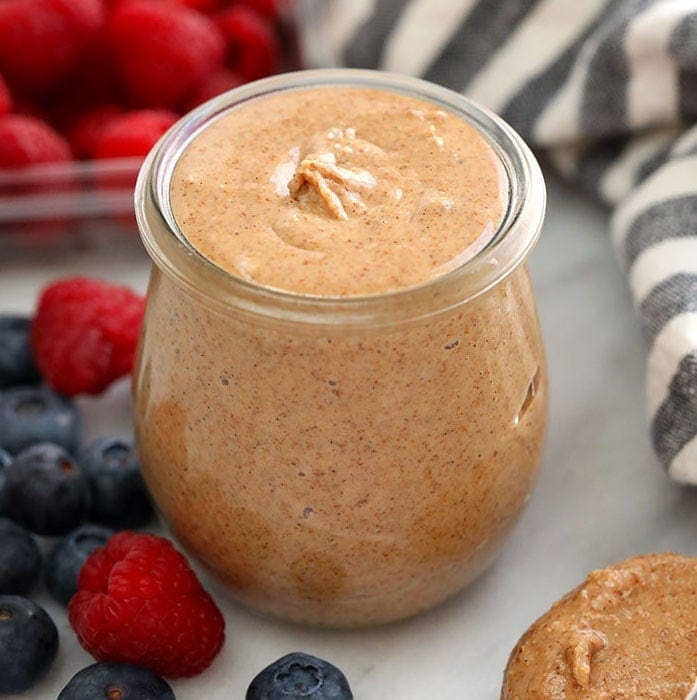
Discover the Secret to Irresistible Easy Homemade Vanilla Bean Almond Butter
Picture this: you're strolling through the grocery store, eyes scanning for those gourmet ingredients to elevate your pantry. You pause at the nut butter aisle, drawn in by artisanal labels and sleek packaging. Then you spot it – a small jar of "fancy" almond butter, boasting premium ingredients like vanilla bean, with a price tag that makes your jaw drop. Ten dollars? For that tiny amount? A familiar thought echoes: "I could make that myself for half the cost, and probably make it even better!"
If this scenario resonates, you're in the right place. Creating luxurious, flavorful homemade vanilla bean almond butter isn't just a fantasy – it's a simple reality. With just three core ingredients and your trusty blender, you can transform humble almonds into a creamy, aromatic spread that far surpasses any store-bought alternative. Forget artificial flavors or unnecessary fillers; this recipe celebrates the pure, rich taste of almonds enhanced by the sublime notes of vanilla. It's not just a budget-friendly choice; it's a taste revelation.
Why Homemade Vanilla Bean Almond Butter is Your New Pantry Staple
The allure of store-bought specialty nut butters is undeniable, but the reality often falls short of the marketing hype – especially when it comes to price and ingredient quality. Making your own DIY vanilla bean almond butter unlocks a world of benefits:
- Unbeatable Freshness and Flavor: Store-bought options, even the premium ones, sit on shelves for weeks or months. Homemade almond butter is crafted on demand, ensuring peak freshness. The subtle roasting of almonds, combined with genuine vanilla bean, creates a depth of flavor that mass-produced versions simply cannot replicate. Each spoonful offers a vibrant, nutty taste with a delicate vanilla finish.
- Cost-Effectiveness: As our opening scenario highlights, fancy almond butter comes with a hefty price tag. Almonds, while an investment, become significantly more economical when purchased in bulk and processed at home. You'll be amazed at how much money you save, allowing you to enjoy this gourmet treat more often.
- Complete Control Over Ingredients: Ever scrutinized the ingredient list on a store-bought jar, only to find added sugars, oils, or preservatives you don't want? When you make your own vanilla bean almond butter, you dictate what goes in. This means no unhealthy oils, no excessive sugar, and no hidden nasties – just pure, wholesome ingredients you trust. This level of transparency is invaluable, especially for those with dietary restrictions or specific health goals.
- The Joy of Creation: There's a unique satisfaction that comes from creating something delicious with your own hands. Whipping up a batch of creamy vanilla bean almond butter from scratch is not only rewarding but also incredibly simple, requiring minimal effort for maximum payoff.
The Magic Trio: Just 3 Ingredients for Your Vanilla Bean Almond Butter
The beauty of this recipe lies in its elegant simplicity. You truly only need three core ingredients to create a sophisticated and utterly delicious vanilla bean almond butter. Let's delve into what makes each one indispensable.
1. The Humble Almond: Roasted to Perfection
At the heart of any almond butter is, naturally, the almond. While you might find pre-roasted salted almonds in stores, we highly recommend starting with raw, unsalted almonds and roasting them yourself. Why?
- Enhanced Flavor and Aroma: Roasting almonds intensifies their nutty flavor and releases their natural oils, making them easier to process into a smooth butter. The aroma alone is intoxicating and signals the deliciousness to come.
- Better Texture: Properly roasted almonds contribute to a smoother, creamier final product.
- Control Over Salt: Starting with unsalted almonds gives you complete control over the salt content, allowing you to perfectly balance the flavor.
How to Roast Your Own Almonds: It’s incredibly easy! Spread your raw almonds in a single layer on a foil-lined baking sheet (for effortless cleanup!). Bake them in a preheated oven at 350°F (175°C) for about 8-12 minutes, or until they become wonderfully fragrant and slightly golden. Keep a close eye on them, as nuts can burn quickly. Once roasted, it’s crucial to let them cool completely to room temperature before processing. Warm almonds can release their oils too quickly, leading to a grittier texture or oil separation in the finished butter.
2. The Essence of Vanilla: Vanilla Bean Paste
This is where the "vanilla bean" in vanilla bean almond butter truly shines. While vanilla extract is good, vanilla bean paste is superior for this recipe. It offers:
- Intense, Complex Flavor: Vanilla bean paste is made from real vanilla beans, providing a richer, more nuanced flavor profile than extract.
- Beautiful Vanilla Specks: Those tiny black flecks visible in gourmet vanilla desserts? That's the magic of vanilla bean, and the paste delivers it beautifully, adding a visual appeal that hints at its premium taste.
If you don't have vanilla bean paste on hand, you can substitute with pure vanilla extract, though you might need a slightly larger quantity for a comparable flavor, and you won't get the signature specks. For the ultimate luxury, you could even scrape the seeds from half a vanilla bean directly into the mixture.
3. The Flavor Amplifier: A Pinch of Salt
You might think salt is just for savory dishes, but in nut butters, it's a game-changer. A small amount of salt dramatically enhances the natural sweetness and nuttiness of the almonds and brightens the vanilla flavor. Without it, the vanilla bean almond butter can taste surprisingly flat or bland.
Use a good quality sea salt or Himalayan pink salt for the best flavor. If you choose to use pre-roasted salted almonds (though we advise against it for optimal control), simply reduce or omit the added salt to avoid an overly salty end product.
From Almonds to Ambrosia: Crafting Your Vanilla Bean Almond Butter
With your ingredients ready, it's time for the transformation! This is where your kitchen appliance works its magic, turning firm almonds into silken, spreadable goodness. The process is straightforward, but a little patience and the right equipment make all the difference. For a more detailed guide, check out our 10-Minute Guide to Blender Vanilla Bean Almond Butter.
The Right Equipment: Blender vs. Food Processor
You'll need a powerful appliance for this job:
- High-Powered Blender: Modern blenders like Vitamix or Blendtec are excellent choices. Their sharp blades and strong motors can handle the almonds efficiently, often achieving a super-smooth texture. However, they can heat up quickly, so be prepared to pause and give your blender a break if it starts to feel hot.
- Food Processor: A sturdy food processor with a strong S-blade is also a fantastic option. It might take slightly longer than a high-powered blender, but it's generally less prone to overheating and equally effective at producing creamy nut butter.
Whichever you choose, ensure it's capable of running for about 10 minutes continuously (with occasional breaks) without sputtering or smelling burnt. The key is to let the machine do the work, patiently breaking down the almonds until their natural oils are released.
The Transformation Journey: Witnessing the Magic
Making vanilla bean almond butter is a fascinating process that unfolds in stages:
- Chopped: Initially, the almonds will break down into coarse, uneven pieces.
- Fine Meal: As you continue processing, they'll become a fine, powdery meal, almost like almond flour.
- Sticky Ball/Paste: The magic begins as the oils start to release. The meal will clump together, forming a sticky ball or a thick, chunky paste that clings to the sides of the bowl.
- Thick, Gritty Butter: Keep going! The mixture will thin out slightly and become a thick, gritty butter.
- Smooth and Creamy: Finally, after sufficient processing, the oils will fully emulsify, and the butter will transform into a gloriously smooth, pourable, and creamy consistency. This is when you'll add the vanilla bean paste and salt, blending for just another 30-60 seconds until fully incorporated.
Tips for Success:
- Patience is Key: Don't rush the process. It truly takes 8-12 minutes of continuous (or near-continuous) processing for the almonds to reach their creamy potential.
- Scrape Down the Sides: Regularly pause your machine and use a spatula to scrape down the sides of the blender or food processor bowl. This ensures all the almond pieces are consistently processed.
- Don't Add Oil (Unless Necessary): Resist the urge to add extra oil. The almonds contain plenty of natural oils that will release with sufficient processing. Only if your butter is extremely stiff after 15 minutes of continuous processing (and you've scraped the sides diligently) should you consider adding a tiny amount (like 1/2 teaspoon) of a neutral oil like coconut or almond oil.
- Cool Almonds Completely: This bears repeating. Warm almonds can lead to a less stable butter and potentially more oil separation.
Enjoying Your Homemade Vanilla Bean Almond Butter
Once your creamy, aromatic vanilla bean almond butter is ready, the possibilities are endless. Transfer it to a clean, airtight jar. It can be stored at room temperature for about 1-2 weeks, but for optimal freshness and to extend its shelf life, store it in the refrigerator for up to 3-4 weeks. If stored in the fridge, it will firm up slightly; simply let it sit out for a few minutes before using or stir vigorously to loosen.
Creative Ways to Enjoy Your Vanilla Bean Almond Butter:
- Classic Spreads: On toast, bagels, or crackers for a delicious and healthy snack.
- Fruit Pairings: Drizzled over apple slices, banana, or pear for an elevated treat.
- Smoothie Booster: Add a tablespoon or two to your morning smoothie for extra protein, healthy fats, and that wonderful vanilla flavor.
- Oatmeal and Yogurt Topping: Stir it into your morning oatmeal or swirl it into a bowl of Greek yogurt.
- Baking Ingredient: Incorporate it into cookies, energy balls, or even frostings for a nutty, vanilla twist.
- Savory Swirls: Believe it or not, a dollop can be fantastic in certain savory dishes, like whisked into a satay sauce or drizzled over roasted vegetables for a surprising depth of flavor.
Making your own vanilla bean almond butter is more than just a recipe; it's an experience that delights the senses and nourishes the body. It proves that gourmet quality doesn't have to come with a gourmet price tag or a complex process. With just three ingredients and a little patience, you'll be enjoying a truly exceptional spread that's as wholesome as it is delicious.
